
Article Summary
A Trailer Jack may look like a simple support device, but it directly affects towing safety, coupling accuracy, parking stability, maintenance efficiency, and long-term trailer usability. For buyers who manage utility trailers, RVs, boat trailers, marine trailers, farm trailers, or light industrial transport equipment, choosing the wrong jack can lead to unstable lifting, difficult hitch alignment, premature corrosion, and unnecessary downtime. This article explains how a well-built Trailer Jack solves common towing problems, what features matter most, how to compare different jack styles, and how Rodrock Enterprises Co.,Ltd. supports buyers who need durable trailer support solutions for practical working conditions.
Table of Contents
1. Blog Outline 2. Why Does a Trailer Jack Matter More Than Many Buyers Expect? 3. What Problems Can the Right Trailer Jack Solve? 4. Which Trailer Jack Features Should Buyers Compare First? 5. What Types of Trailer Jack Designs Fit Different Applications? 6. Why Do Materials and Surface Treatment Affect Service Life? 7. Trailer Jack Buying Comparison Table 8. How Should a Trailer Jack Be Installed and Used Correctly? 9. What Maintenance Habits Help a Trailer Jack Last Longer? 10. Why Work With a Reliable Trailer Jack Supplier? 11. FAQ 12. ConclusionBlog Outline
- Explain the role of a Trailer Jack in daily towing operations.
- Identify the common pain points buyers face, including difficult hitching, unstable support, rust, and load mismatch.
- Compare manual, A-frame, scissor, marine, caster, and hydraulic trailer jack options.
- Discuss load capacity, mounting style, lifting range, corrosion resistance, handle design, and wheel compatibility.
- Provide a practical table to help buyers match jack types with real usage scenarios.
- Share installation, usage, and maintenance guidance for safer operation.
- Explain why Rodrock Enterprises Co.,Ltd. can support buyers seeking durable trailer accessory solutions.
Why Does a Trailer Jack Matter More Than Many Buyers Expect?
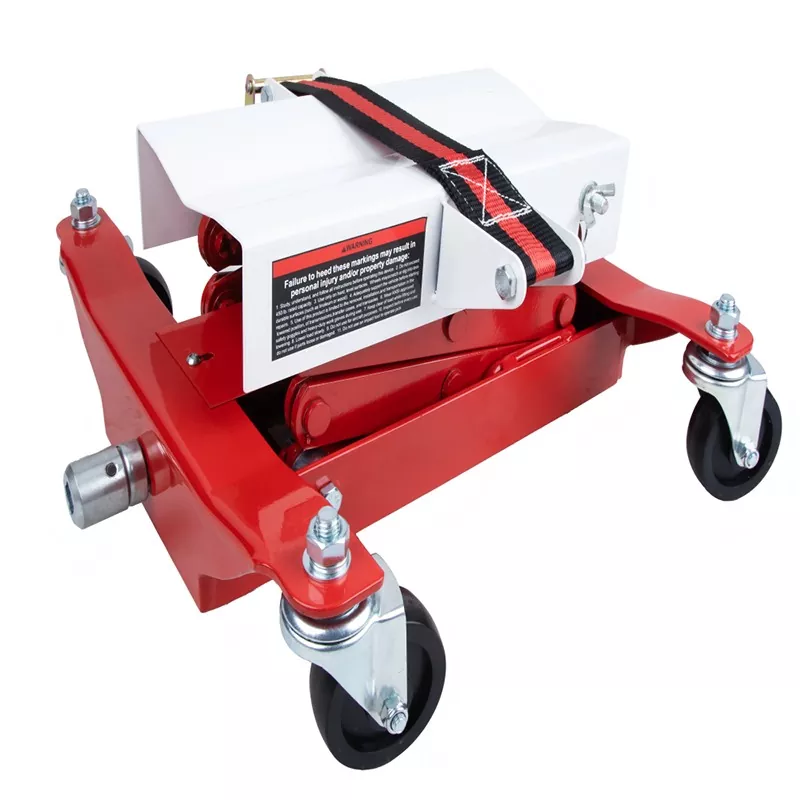
Many buyers first think about tires, lights, wiring, couplers, ramps, and suspension when evaluating a trailer. The Trailer Jack often receives attention only after something goes wrong. That is exactly where the problem starts. A trailer jack is not merely a piece of metal attached near the tongue. It is the component that supports the front of the trailer when the towing vehicle is removed, raises or lowers the coupler to the correct height, helps the user align with the tow ball, and keeps the trailer more manageable during loading, parking, storage, and maintenance.
When the jack is too weak, poorly mounted, hard to crank, or exposed to corrosion, even a simple parking task can become frustrating. A user may struggle to lift the tongue. The coupler may sit too high or too low. A boat trailer may become difficult to move near the ramp. An RV may feel unstable when parked. A utility trailer used on rough job sites may lean, drag, or become unsafe to handle. These are not small inconveniences. They can affect productivity, safety, and customer satisfaction.
A dependable Trailer Jack gives users control. It reduces guesswork during hitching, improves trailer positioning, and helps prevent avoidable strain on the operator. For retailers, wholesalers, fleet managers, and trailer builders, this means fewer complaints and better product value. For end users, it means less fighting with the trailer every time they connect, disconnect, load, unload, or store it.
What Problems Can the Right Trailer Jack Solve?
A properly selected Trailer Jack solves several practical problems that appear again and again in towing applications. The first is hitch alignment. If a trailer coupler cannot be raised or lowered smoothly, connecting it to a towing vehicle becomes slow and awkward. A good jack allows the user to adjust height with better precision, making the connection process easier and reducing the need for repeated vehicle repositioning.
The second problem is support stability. Once a trailer is detached from the tow vehicle, the tongue needs stable support. Without a reliable jack, the front of the trailer may drop, tilt, or become difficult to move. This is especially important for RVs, marine trailers, cargo trailers, and utility trailers that may be parked on outdoor surfaces.
The third problem is operator fatigue. If the jack handle is uncomfortable, the screw mechanism is rough, or the load rating is too low for the trailer, the user has to work harder than necessary. A well-designed manual jack should feel predictable during lifting and lowering. A hydraulic or electric option may be better for heavier or more frequent use, especially when speed and convenience matter.
The fourth problem is environmental exposure. Trailers are often used outside, stored outside, and exposed to rain, dust, mud, salt air, road debris, and changing temperatures. A Trailer Jack built with strong steel and protective surface treatment can provide better resistance against rust and wear, helping buyers reduce replacement frequency.
- Helps align the trailer coupler with the tow ball.
- Supports the trailer tongue after detachment.
- Improves parking and storage convenience.
- Assists with tire changes and basic maintenance tasks.
- Reduces manual strain during lifting and lowering.
- Improves trailer handling in yards, campsites, ramps, and job sites.
Which Trailer Jack Features Should Buyers Compare First?
The right Trailer Jack is not chosen by appearance alone. Buyers need to compare real working requirements. A jack that works well for a small utility trailer may not be suitable for a boat trailer. A jack designed for occasional home use may not meet the needs of a rental fleet, dealership, or industrial buyer.
Load capacity should always come first. Buyers should check the tongue weight and select a jack with a suitable rated capacity. Choosing a jack only by total trailer weight can be misleading because the jack usually supports the tongue, not the full loaded trailer. However, underestimating the tongue load can still cause serious problems, including bending, difficult cranking, or unstable support.
Mounting style is the second major factor. A-frame trailer jacks are commonly used on A-frame tongues. Bracket-mounted or pipe-mounted designs can fit different trailer frame structures. Weld-on and bolt-on options both have their place. Bolt-on installation can be convenient for replacement or aftermarket use, while welded installation may suit manufacturers seeking a fixed, integrated solution.
Lifting range also matters. The jack must lift high enough to clear the tow ball and lower enough to keep the trailer level when parked. Buyers should consider ground clearance, coupler height, trailer frame height, and the conditions where the trailer will be used.
Corrosion resistance is another feature that should not be treated as an afterthought. Galvanized, zinc-coated, powder-coated, or electrophoretic-coated finishes can help extend service life. This is particularly important for marine trailers and outdoor trailers that often encounter moisture.
- Rated capacity: Match the jack to the expected tongue load and usage intensity.
- Mounting style: Choose bracket, pipe, bolt-on, weld-on, or A-frame mounting according to trailer structure.
- Lift height: Confirm travel distance and extended height before purchasing.
- Surface finish: Prioritize corrosion protection for outdoor and marine use.
- Handle design: Select a crank style that feels smooth and practical for the operator.
- Wheel or foot option: Use caster wheels for easier movement and foot plates for stronger stationary support.
What Types of Trailer Jack Designs Fit Different Applications?
Different trailers create different support challenges. That is why one Trailer Jack design cannot satisfy every user. A small trailer that carries garden equipment may need simple, reliable lifting. A boat trailer may need a wheeled marine jack that can handle moisture and help the user reposition the trailer. An RV may need a stabilizing solution that reduces shaking while parked.
Manual trailer jacks remain popular because they are straightforward, cost-effective, and easy to maintain. They are suitable for users who want dependable height adjustment without relying on power. A-frame trailer jacks are widely used on trailers with A-shaped tongues and can offer strong compatibility for many towing setups.
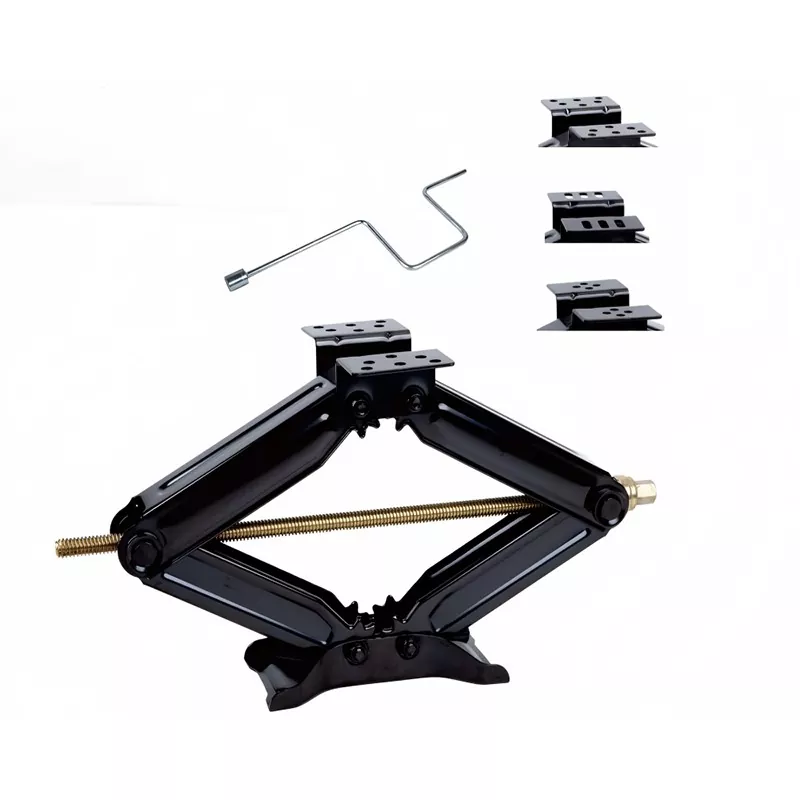
Trailer scissor jacks are often used for leveling and stabilizing RVs or travel trailers. They fold into a compact shape and can help keep the trailer steady when parked. Marine jacks with wheels are useful for boat trailers because they help with positioning near storage areas or launch sites. Hydraulic trailer jacks can support heavier lifting tasks and may be preferred where easier operation is important.
The main point is simple: the best Trailer Jack is the one that fits the trailer structure, load demand, environment, and operator expectations. Buyers who purchase only by price may save a little at first but often pay more through replacement costs, customer complaints, or inconvenient operation.
Why Do Materials and Surface Treatment Affect Service Life?
A Trailer Jack works in conditions that are rarely gentle. It may face road spray, gravel impact, rainwater, humidity, mud, salt, and long periods of outdoor storage. The material and surface treatment therefore have a direct impact on service life. A jack with a weak structure may deform under load, while a jack with poor coating may rust quickly around moving parts, mounting points, and lower tubes.
High-strength steel is widely used because it provides the rigidity needed for lifting and supporting trailer tongue weight. However, steel also needs surface protection. Galvanizing, zinc coating, powder coating, and other protective treatments help create a barrier against corrosion. For buyers serving marine, agricultural, outdoor recreation, and construction markets, corrosion resistance is often just as important as lifting capacity.
Internal components also matter. The screw, gear, tube, bracket, handle, caster, and mounting hardware all influence the user experience. Smooth lifting comes from a combination of precise forming, suitable materials, controlled tolerances, and consistent assembly. If one of these details is ignored, the jack may still look acceptable at first glance but feel rough or unreliable in daily use.
Rodrock Enterprises Co.,Ltd. provides trailer support products designed for practical outdoor use, with attention to steel structure, protective finishes, and application suitability. For buyers who care about durability, the goal should not be to find the cheapest Trailer Jack, but to find a jack that performs consistently through repeated use.
Trailer Jack Buying Comparison Table
| Trailer Jack Type | Best-Fit Application | Main Buyer Concern | Practical Selection Tip |
|---|---|---|---|
| Manual Trailer Jack | Utility trailers, general towing, light commercial use | Simple operation and dependable height adjustment | Check handle comfort, lift range, mounting style, and rated capacity. |
| A-Frame Trailer Jack | A-frame trailers, cargo trailers, travel trailers | Frame compatibility and strong central support | Confirm bolt pattern, weld-on requirements, and coupler height range. |
| Trailer Scissor Jack | RVs, campers, travel trailers | Leveling and stabilizing parked trailers | Use for stabilization support, not as a substitute for an unsuitable lifting jack. |
| Marine Jack With Wheel | Boat trailers, marine trailers, storage yards | Mobility and corrosion resistance | Prioritize wheel quality, coating, mounting fit, and outdoor durability. |
| Hydraulic Trailer Jack | Heavier trailers, frequent lifting, demanding work sites | Ease of operation under heavier loads | Check hydraulic performance, safety control, and service requirements. |
| Trailer Jack Caster | Aftermarket upgrades and easier trailer movement | Turning convenience and tongue mobility | Match caster size and load rating with the jack and ground surface. |
How Should a Trailer Jack Be Installed and Used Correctly?
Even the best Trailer Jack can perform poorly if it is installed incorrectly. Before installation, users should inspect the trailer frame, confirm the correct mounting position, and ensure that the jack will not interfere with the coupler, safety chains, wiring, winch stand, spare tire, or cargo area. The jack should be positioned where it can support the trailer tongue effectively while remaining easy to operate.
For bolt-on models, the bolts should be tightened evenly, and the mounting plate should sit securely against the frame. For weld-on installations, welding should be performed by qualified personnel to avoid weak joints or frame damage. For pipe-mounted swivel jacks, the locking mechanism must engage fully before the jack is loaded.
When using a Trailer Jack, the operator should park on stable ground whenever possible. Soft soil, sloped surfaces, or loose gravel may reduce stability. A wheel chock should be used when needed. The jack should be raised or lowered smoothly, without forcing the handle beyond normal resistance. If the handle becomes unusually hard to turn, the operator should stop and inspect the load, screw mechanism, mounting area, and ground contact point.
- Confirm the trailer is parked on a stable surface before lifting.
- Use wheel chocks when the trailer may roll.
- Never exceed the rated capacity of the jack.
- Keep hands, feet, and loose clothing away from moving parts.
- Check that swivel or locking pins are fully engaged before loading.
- Do not use a damaged jack for towing preparation or trailer support.
What Maintenance Habits Help a Trailer Jack Last Longer?
A Trailer Jack is exposed to dirt and moisture, so simple maintenance can make a major difference. Buyers should encourage users to inspect the jack regularly, especially before long trips, seasonal storage, or heavy-duty use. A quick inspection can reveal early signs of rust, bending, loose mounting hardware, wheel wear, or rough cranking.
Cleaning is especially important after use in muddy, wet, coastal, or salted-road conditions. Dirt and salt can accumulate around the lower tube, caster, screw, bracket, and mounting bolts. If these areas are ignored, corrosion may develop faster. Wiping the jack after use and applying suitable lubrication to moving parts can help keep operation smoother.
Storage position also matters. When the trailer is parked for a long period, the jack should be set on firm ground or a proper support block. This reduces sinking and helps distribute pressure. If the jack includes a wheel, users should avoid leaving it under excessive side load for extended periods.
- Inspect the jack before towing, parking, or seasonal storage.
- Clean away mud, sand, road salt, and debris after outdoor use.
- Lubricate moving parts according to the product’s usage requirements.
- Check bolts, pins, brackets, welds, wheels, and foot plates.
- Replace damaged or heavily corroded parts before they become unsafe.
- Store the trailer on stable ground to reduce unnecessary strain.
Why Work With a Reliable Trailer Jack Supplier?
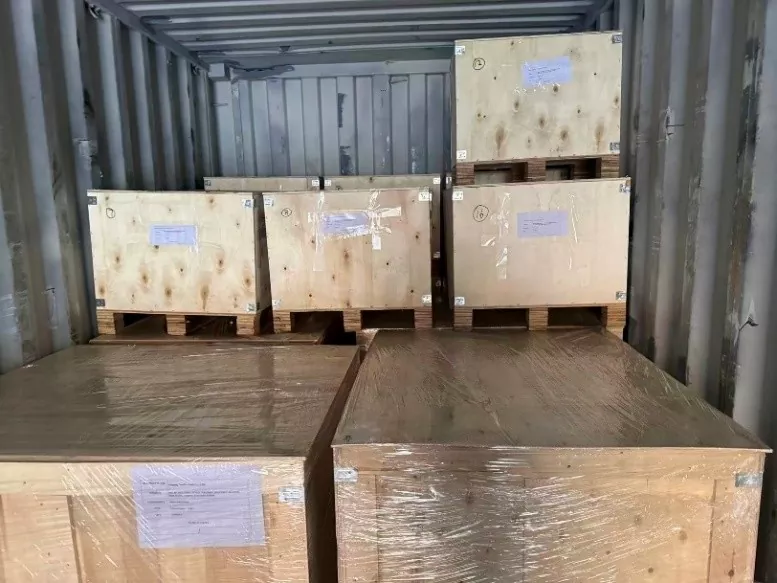
For distributors, retailers, trailer manufacturers, and procurement teams, supplier reliability matters as much as product design. A buyer may need consistent quality, stable packaging, clear product descriptions, suitable model options, and responsive communication. A supplier that understands trailer accessories can help buyers reduce selection mistakes and serve different market segments more confidently.
Rodrock Enterprises Co.,Ltd. supports trailer accessory buyers with product options for towing, support, stabilization, movement, wiring, lighting, and related trailer applications. For Trailer Jack buyers, this broader product understanding can be useful because jack selection often connects with other trailer components. A trailer may need the right wiring harness, lighting system, stabilizer, caster, ramp, or accessory solution to create a complete user experience.
A strong supplier should help buyers think beyond a single purchase order. The more useful question is not only “What jack is available?” but also “Will this Trailer Jack match the trailer frame, resist the working environment, satisfy end users, and support repeat sales?” When the answer is yes, the product becomes more than a component. It becomes part of a safer and smoother towing experience.
Buyer tip: Before confirming an order, prepare details such as trailer type, tongue weight, mounting style, required lift range, surface environment, preferred finish, packaging needs, and target market. These details make it easier to match the correct Trailer Jack model and reduce costly revisions later.
FAQ
1. What is the main purpose of a Trailer Jack?
A Trailer Jack supports the trailer tongue when the trailer is disconnected from the towing vehicle. It also raises and lowers the coupler so users can align it with the tow ball more easily.
2. Can one Trailer Jack fit every trailer?
No. Trailer structure, tongue weight, mounting method, lift range, and application environment all affect selection. A utility trailer, boat trailer, RV, and cargo trailer may require different jack styles.
3. Is a wheel better than a foot plate?
A wheel helps move the trailer tongue over suitable surfaces, while a foot plate provides stronger stationary support. The better option depends on whether the user needs mobility or stable parking support.
4. Why does corrosion resistance matter for a Trailer Jack?
Many trailers are stored outdoors and exposed to rain, mud, road salt, or marine environments. Protective surface treatment helps reduce rust and extend service life.
5. How do I choose the correct capacity?
Buyers should consider trailer tongue weight, not only total trailer weight. The jack should have a suitable rated capacity with a reasonable safety margin for real working conditions.
6. Should buyers choose manual or hydraulic trailer jacks?
Manual jacks are practical for many standard towing tasks. Hydraulic trailer jacks are better suited for heavier loads, frequent lifting, or users who need easier operation under demanding conditions.
7. When should a Trailer Jack be replaced?
Replacement is recommended when the jack shows bending, severe rust, unstable lifting, damaged mounting points, worn wheels, broken locking parts, or rough operation that cannot be corrected through maintenance.
Conclusion
A Trailer Jack is one of the most practical safety and convenience components on a trailer. It supports the tongue, helps align the coupler, improves parking stability, assists with maintenance, and reduces unnecessary operator strain. For buyers, the right decision comes from comparing capacity, mounting style, lifting range, material strength, surface treatment, wheel or foot configuration, and real application needs.
Rodrock Enterprises Co.,Ltd. offers trailer jack and trailer accessory solutions for buyers who want dependable products that fit practical towing and outdoor-use conditions. Whether the application involves RVs, boat trailers, marine trailers, utility trailers, or general trailer support, careful product selection can make daily towing safer, smoother, and easier to manage.
If you are looking for a durable Trailer Jack solution for your product line, trailer project, retail program, or wholesale order, contact us today to discuss model selection, application requirements, and suitable trailer accessory options from Rodrock Enterprises Co.,Ltd.