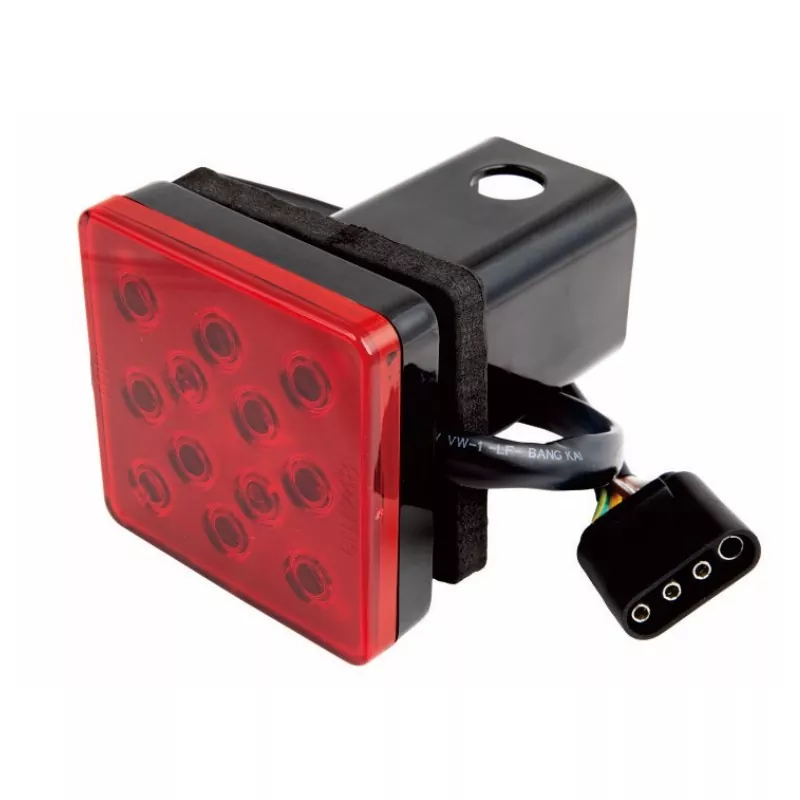

Trailer towing requires more than just a hitch and a powerful vehicle. One of the most critical yet often overlooked components is the Trailer Wiring Connector. This small but essential device allows the towing vehicle and trailer to communicate electrically, ensuring that brake lights, turn signals, and other safety systems operate correctly.
In this comprehensive guide, we explore everything you need to know about trailer wiring connectors, including the different connector types, installation methods, maintenance tips, troubleshooting solutions, and how to select the best connector for your towing needs. We will also examine modern industry practices and highlight the importance of choosing reliable manufacturers such as Rodrock for dependable trailer connectivity solutions.
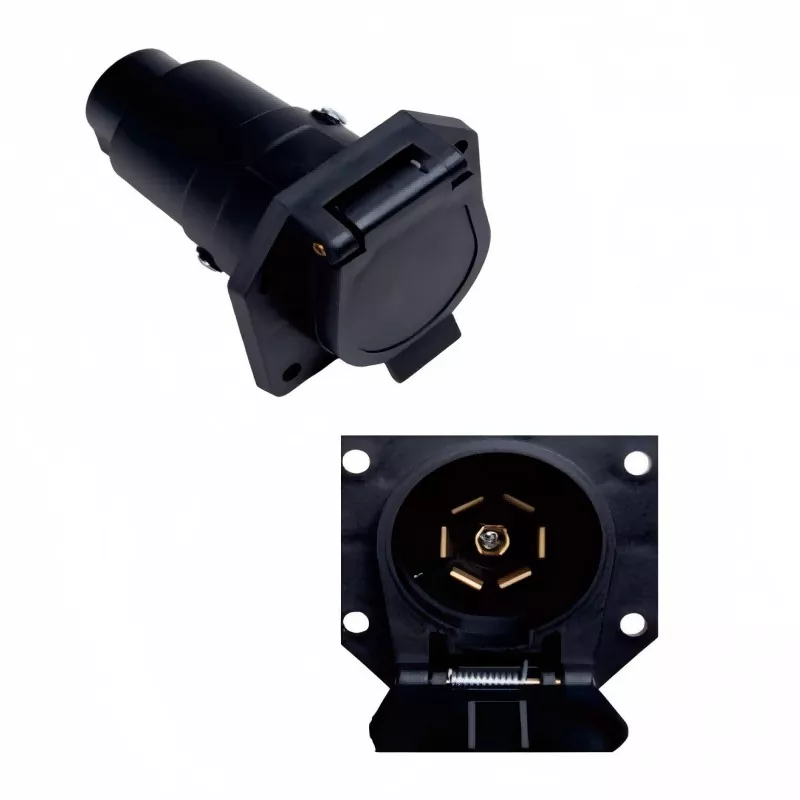
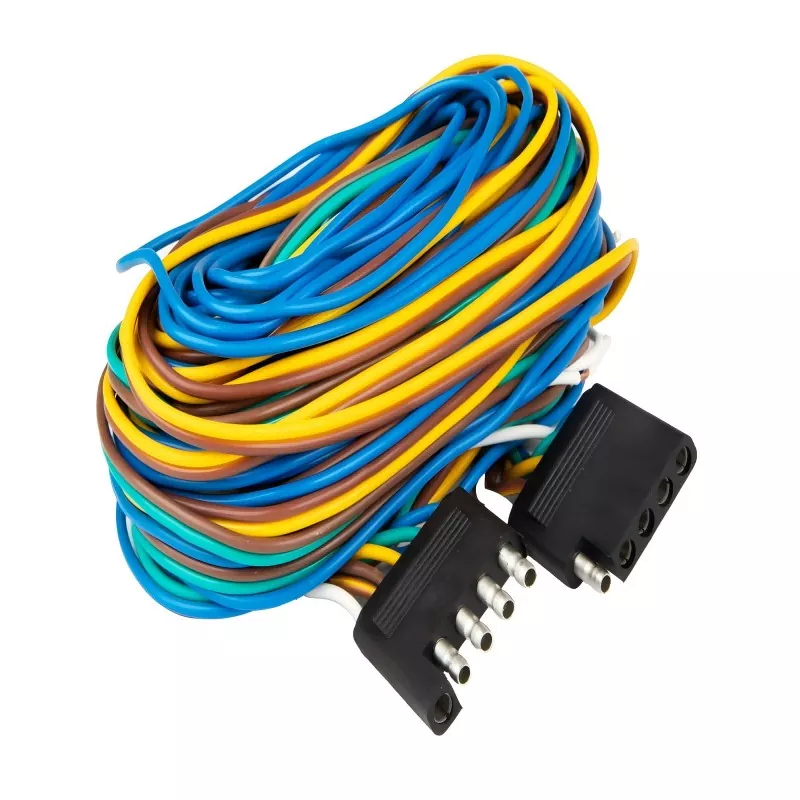
A Trailer Wiring Connector is an electrical interface that links the lighting and signal systems of a towing vehicle to a trailer. It ensures that the trailer’s brake lights, indicators, tail lights, and sometimes auxiliary power systems function properly while driving.
Without this connector, the trailer cannot communicate with the towing vehicle's electrical system, which would make it impossible for other drivers to recognize braking or turning actions.
The connector typically consists of a plug attached to the vehicle and a socket mounted on the trailer. When connected, electrical signals pass between the two systems safely and reliably.
Towing safety heavily relies on effective communication between the vehicle and the trailer. Trailer wiring connectors enable this communication by transmitting electrical signals that activate the trailer’s lights and braking systems.
A faulty connector can lead to dangerous driving conditions and may even violate road safety regulations in many countries.
Trailer wiring connectors come in several configurations depending on the number of circuits they support.
| Connector Type | Number of Pins | Main Applications |
|---|---|---|
| Flat Connector | 4 Pin | Basic trailers, small utility trailers |
| Flat Connector | 5 Pin | Boat trailers with surge brakes |
| Round Connector | 6 Pin | Medium duty towing systems |
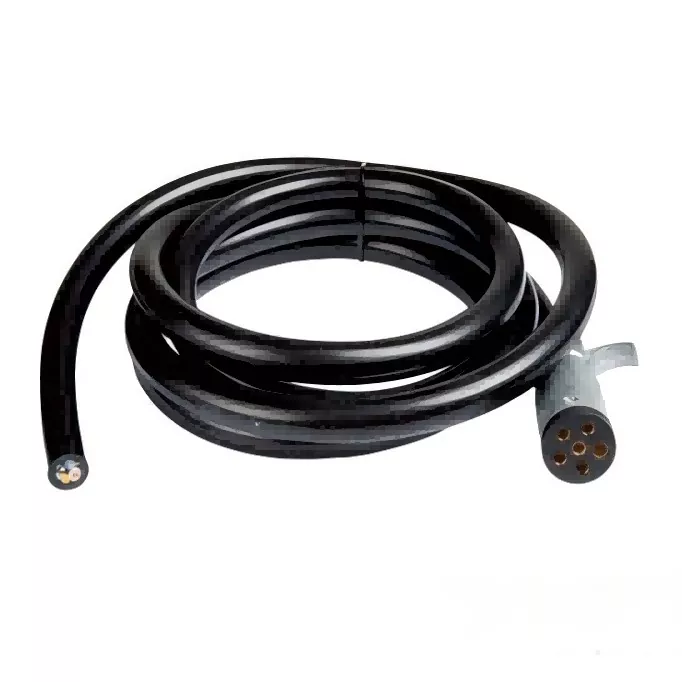
| Round Connector | 7 Pin | Heavy-duty trailers and RVs |
The 7-pin connector is one of the most versatile options, providing power for electric brakes, auxiliary circuits, and backup lights.
You can explore more technical information about these connectors through this product reference: Trailer Wiring Connector
A trailer wiring system includes several components working together to ensure proper electrical transmission.
Each component must function correctly for the entire towing electrical system to operate reliably.
Choosing the right trailer wiring connector depends on several factors, including the trailer type, towing vehicle capabilities, and electrical load requirements.
High-quality manufacturers like Rodrock design connectors that prioritize corrosion resistance, strong electrical conductivity, and weatherproof durability.
Installing a trailer wiring connector is straightforward when done carefully.
Testing the system before towing is essential to ensure everything works correctly.
Even high-quality connectors can experience issues due to environmental exposure and mechanical wear.
| Problem | Possible Cause | Solution |
|---|---|---|
| Lights not working | Loose connection | Reconnect plug securely |
| Intermittent signals | Corrosion | Clean connector pins |
| Brake failure | Damaged wire | Repair wiring harness |
| No power supply | Blown fuse | Replace fuse |
Maintaining your trailer wiring connector helps extend its service life and prevents unexpected failures.
Routine maintenance significantly reduces the risk of electrical failure while towing.
Modern towing systems continue to evolve, and trailer wiring connectors are no exception. Innovations focus on improving durability, connectivity, and safety.
These improvements make modern connectors far more reliable in harsh environments.
A Trailer Wiring Connector plays a vital role in safe and reliable towing. From powering essential lights to enabling brake systems, this small device ensures your trailer operates in sync with your vehicle.
Understanding connector types, installation methods, and maintenance practices can significantly improve towing safety and performance.
Choosing durable and high-quality components from trusted manufacturers such as Rodrock ensures long-term reliability and peace of mind on the road.
The 4-pin flat connector is the most common type used for small trailers because it supports essential lighting functions.
A 7-pin connector supports additional functions such as electric trailer brakes, reverse lights, and auxiliary power systems.
Signs include malfunctioning trailer lights, inconsistent signals, or brake system issues.
Many modern connectors are designed with waterproof seals to prevent moisture damage.
If maintained properly, connectors can last several years. Replacement is recommended when corrosion or electrical faults appear.
Looking for reliable and high-performance trailer connectivity solutions? Our professional team at Rodrock is ready to help you choose the right products for your towing system. For more product information, technical assistance, or custom solutions, contact us today and discover how we can support your towing equipment needs.