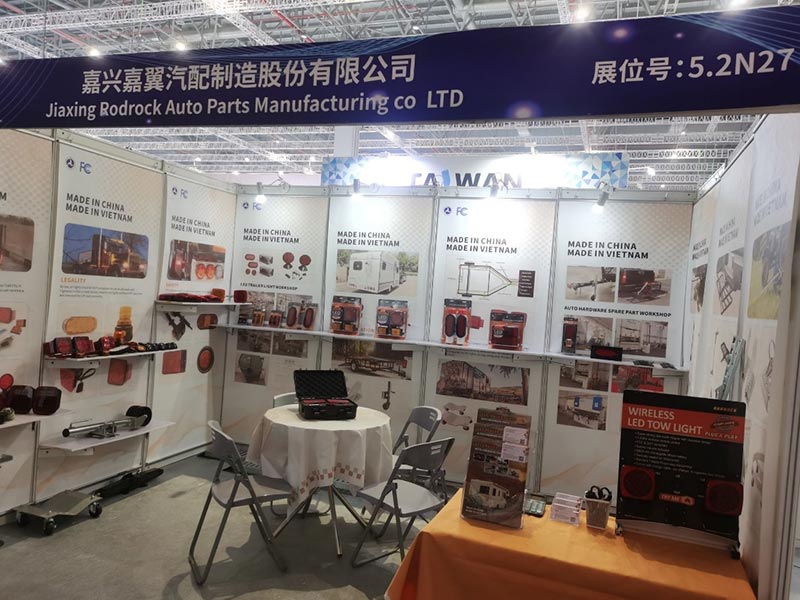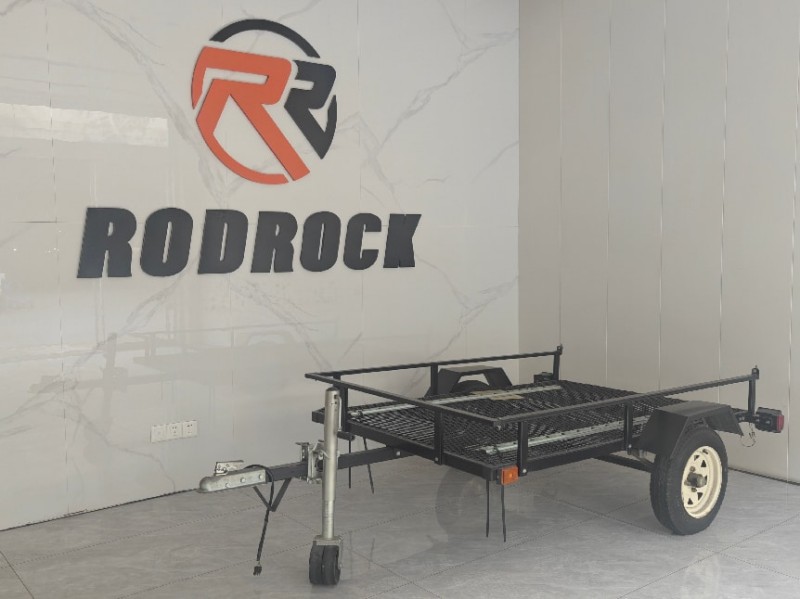

When buyers compare trailers, they often focus on size, axle rating, or price first. I understand why. Those are visible, easy-to-compare figures. But in real use, the difference between a trailer that performs smoothly and one that creates daily frustration often comes down to the quality and fit of its Trailer Components. From loading ramps and vehicle dollies to stabilizers, cargo carriers, and tie-down systems, these details decide how safely equipment moves, how efficiently cargo is handled, and how much maintenance a trailer demands over time. At Rodrock Enterprises Co.,Ltd., we see this concern repeatedly from distributors, wholesalers, and end users who want dependable products that reduce risk instead of adding hidden problems after purchase.
This article explains how to evaluate Trailer Components from a practical buyer’s perspective. I will break down the most common purchasing concerns, explain how different components affect safety and workflow, show what separates durable products from weak ones, and outline what buyers should check before placing an order. The goal is simple: help you choose components that work reliably in transport, storage, loading, parking, and everyday operations.
I have noticed that the biggest problem is not a lack of products. It is a lack of clarity. Many buyers can find dozens of similar-looking options in minutes, but they still cannot tell which one will last, which one fits their market, and which one will create complaints later. That uncertainty becomes expensive when products are used in demanding conditions such as workshop movement, outdoor parking, boat transport, ATV loading, or cargo restraint.
Buyers usually worry about a few things at once: load capacity, corrosion resistance, ease of installation, long-term safety, packaging reliability, and whether the supplier actually understands the intended use. A ramp that looks strong in a product photo may flex too much during repeated loading. A stabilizer that seems acceptable on paper may become difficult to adjust after exposure to weather and dirt. A cargo carrier may offer space, but poor finishing or weak weld quality can damage trust quickly.
That is why buying Trailer Components should never be reduced to price alone. The component itself is often a small part of the order value, but it can have an outsized effect on performance, reputation, and after-sales workload.
Different users need different solutions, but the logic is straightforward: every component should remove friction from transport, parking, loading, storage, or cargo control. When I look at a practical product mix, I focus on whether the range helps the customer solve real tasks instead of simply filling a catalog.
| Component Type | Main Function | Buyer Benefit |
|---|---|---|
| Loading Ramp | Supports loading and unloading of equipment or vehicles | Improves safety, reduces labor, saves time |
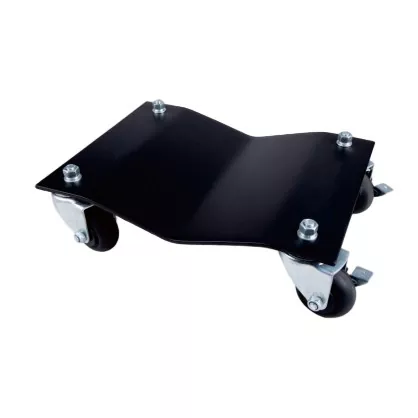
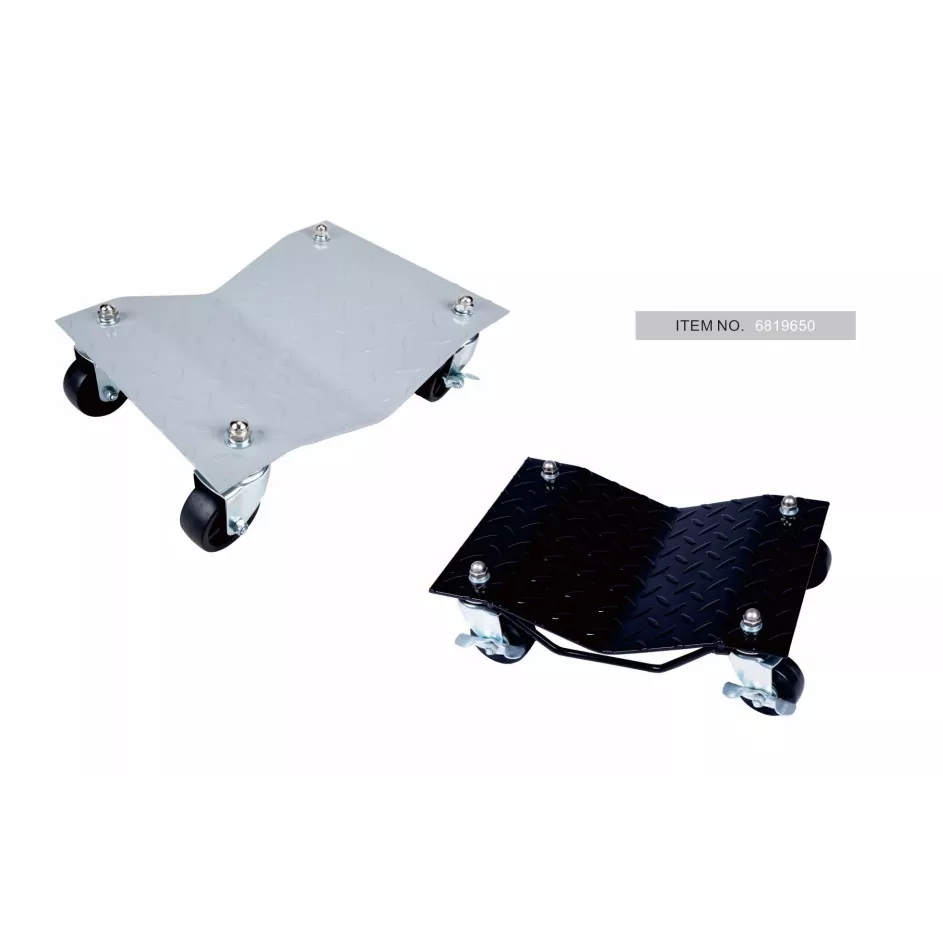
| Vehicle Dolly | Moves vehicles in tight workshop or garage spaces | Improves maneuverability and space efficiency |
| Trailer Stabilizer | Adds support when the trailer is parked | Reduces wobble and increases user confidence |
| Cargo Carrier | Creates extra carrying space | Improves storage flexibility without major modification |
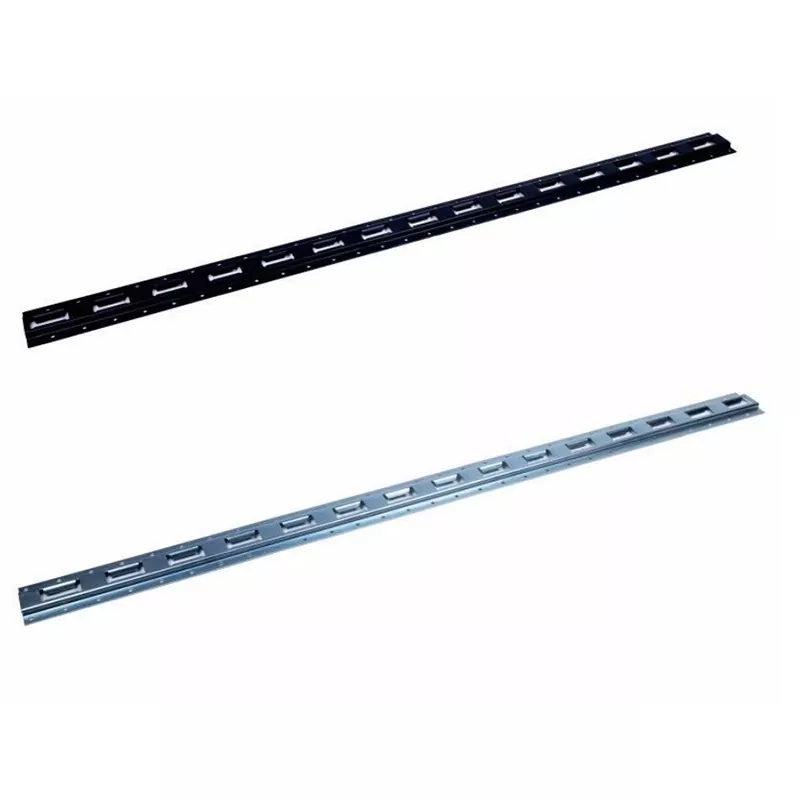
| E-Track Rail | Provides structured tie-down points | Enhances cargo control and transport safety |
A well-chosen range of Trailer Components lets a buyer serve multiple end-user scenarios without making the catalog feel random. That matters a great deal for wholesalers and retailers who want cross-selling potential and better order value from the same customer.
The answer is not branding alone. It is the combination of structure, finish, usability, and consistency. A good component should feel dependable before the customer even puts it to work. Smooth edges, stable welding, sensible dimensions, secure locking points, anti-slip surfaces, and corrosion-resistant finishes are not decorative details. They are signals that a product was designed for repeated use, not just one successful shipment.
I usually suggest checking four quality dimensions:
In many cases, buyers do not lose money because a component fails dramatically. They lose money because it performs just poorly enough to trigger complaints, returns, hesitation, or lower repeat orders. That is exactly why better Trailer Components often create stronger long-term margins even when the initial unit cost is not the lowest.
A smart comparison process should go beyond product titles and capacity labels. I prefer to compare products by asking what kind of risk each one removes. That makes decisions clearer, especially when several options appear close in price and description.
| What to Compare | Weak Evaluation Method | Better Evaluation Method |
|---|---|---|
| Load Capacity | Check only the advertised number | Ask how the product performs under repeated real use |
| Coating | Treat all finishes as equal | Review corrosion resistance and shipping durability |
| Design | Focus only on appearance | Check handling convenience, locking logic, and storage efficiency |
| Supplier Promise | Accept generic claims | Ask for specification clarity, packaging detail, and production consistency |
This approach is especially useful when you are sourcing for distribution. Your customer will not reward you for buying the cheapest option if that choice creates friction after delivery. What they remember is whether the product feels reliable, practical, and worth recommending.
Good Trailer Components create value across a surprisingly wide set of use cases. That is one reason this category continues to matter for both retail and wholesale buyers. The same product family can serve workshops, farms, equipment owners, outdoor enthusiasts, fleet users, and marine trailer applications, depending on how the assortment is built.
When a supplier understands these scenarios, the catalog becomes more coherent. The buyer is no longer just purchasing parts. They are building a solution range that answers recognizable customer needs.
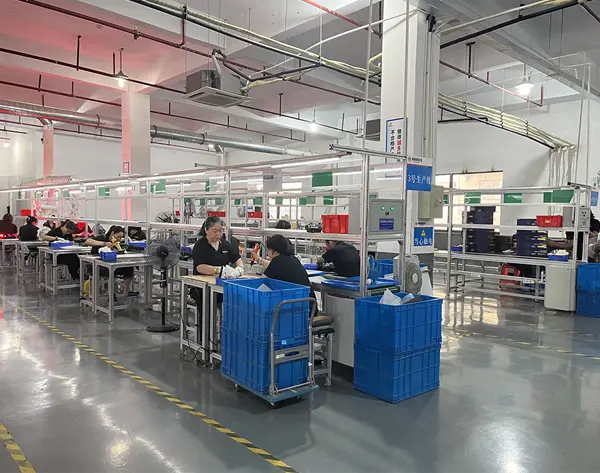
Choosing the right source for Trailer Components is just as important as choosing the right product. A supplier should not only ship goods. They should reduce uncertainty. I always recommend asking questions that reveal whether the factory understands long-term cooperation instead of short-term transactions.
This is where Rodrock Enterprises Co.,Ltd. should be positioned carefully in the article: not as a generic name inserted for formality, but as a company connected to a product range that helps buyers simplify sourcing and improve end-user satisfaction. That makes the mention feel natural and commercially credible.
The smartest buying decision starts with a simple mindset: do not treat Trailer Components as minor add-ons. Treat them as performance drivers. When a ramp loads smoothly, a dolly moves confidently, a stabilizer holds firmly, and a tie-down system works exactly as expected, the trailer becomes easier to use, safer to trust, and easier to recommend.
That is the difference thoughtful sourcing makes. A strong product range supports better operations, fewer complaints, and stronger resale confidence. If you are building or expanding your trailer product line, now is the right time to compare solutions with more discipline and more practical judgment.
If you are looking for dependable products and a more efficient sourcing experience, contact us to discuss your market needs, target specifications, and product preferences. Rodrock Enterprises Co.,Ltd. is ready to help you find trailer solutions that fit real-world demands, not just catalog descriptions.
What are Trailer Components usually used for?
They are used to improve loading, parking stability, cargo restraint, storage expansion, and vehicle movement. In practical terms, they help make trailers safer, easier to operate, and more versatile for different tasks.
How do I choose the right Trailer Components for my market?
Start with the end-user scenario. Ask whether your customers mainly need workshop mobility, equipment loading, cargo securing, RV support, or extra carrying space. Then compare products by durability, ease of use, and repeat-order consistency.
Are price and load rating enough to make a good decision?
No. Those are important, but they do not tell the full story. Surface treatment, design practicality, locking stability, packaging quality, and supplier reliability often matter just as much in long-term use.
Why do some Trailer Components generate more complaints than others?
Complaints usually come from poor fit, weak finishing, inconvenient handling, or inconsistent quality between batches. Many problems are preventable if the buyer evaluates the product with real usage conditions in mind.
Can one supplier support multiple trailer component categories effectively?
Yes, and that can be a major advantage. A broader and well-organized product range can simplify procurement, improve assortment planning, and reduce communication costs across repeat orders.