To determine if a trailer wiring harness is waterproof, you need to verify it from 3 aspects-protection rating, structural design, and material selection.
Here's how to do it:
1. Basic Waterproofing Levels
| IP Rating | Protection Description | Test Conditions & Example Applications |
| IP67 | Withstands temporary immersion without water ingress | Immersion in 1m water for 30 min (short-term exposure). |
| IP68 | Withstands prolonged, continuous immersion | Prolonged immersion (e.g., 24 hours at 1.5m depth for energy storage harnesses). |
| IP6K9K | Resistant to high-pressure, high-temperature water jets | Withstands high-pressure, high-temperature water jets (e.g., 80°C, 100 bar test for chassis harnesses). |
Key point-The rating must be printed on the connector or packaging. Products without a rating basically do not have waterproofing capabilities.
2. Certifications and Standards
• Plugs conforming to the ISO7638 standard (such as European 13-pin sockets) usually have a built-in waterproof design.
• Legitimate products will be marked with automotive industry certifications such as IATF16949.
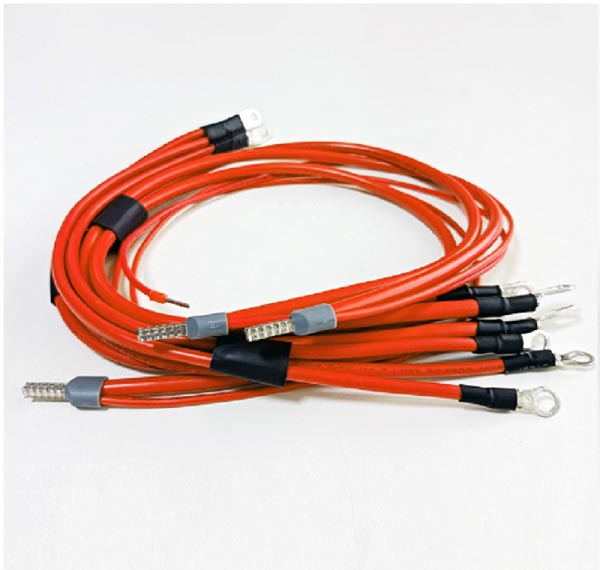
1. Connector Sealing Design
• Sealing ring material-Prioritize weather-resistant rubber, avoiding ordinary silicone (which is prone to aging).
• Double sealing structure- For example, using threaded tightening + O-ring double protection at both ends of the spiral wire (refer to the Nissan Patrol Y62 trailer wiring harness design).
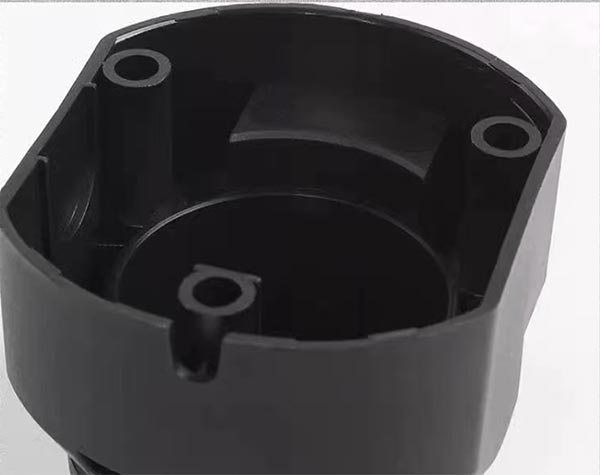
• Internal waterproof cavity- High-end products will design a tortuous sealing cavity (such as the labyrinth structure of a towing device) to prevent rainwater from seeping in.
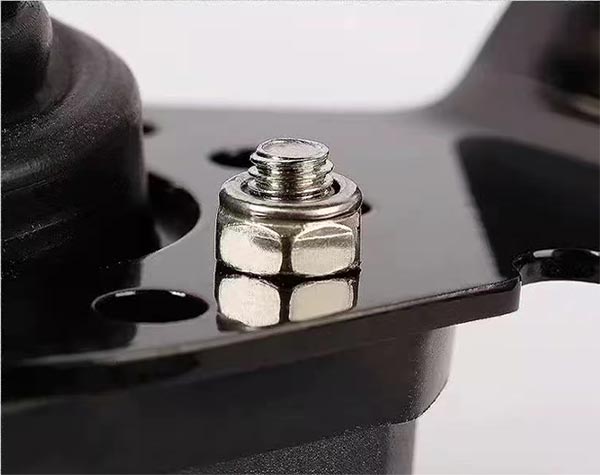
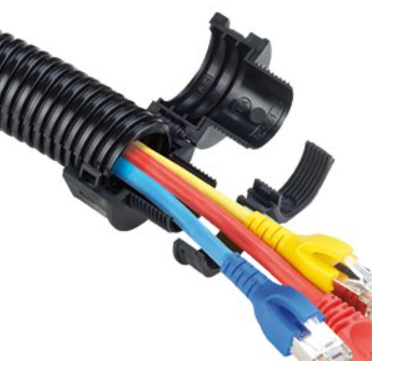
2. Cable Protection Details
• Sheath Material- TPEE/TPU material is superior to ordinary PVC (cold resistance -40℃, heat resistance 105℃)
• No Intermediate Connectors- The entire cable has no breakpoints; the connector joints require potting or ultrasonic welding.
• Shielding Layer Integrity- The metal shielding layer must extend into the connector to prevent moisture ingress through gaps.
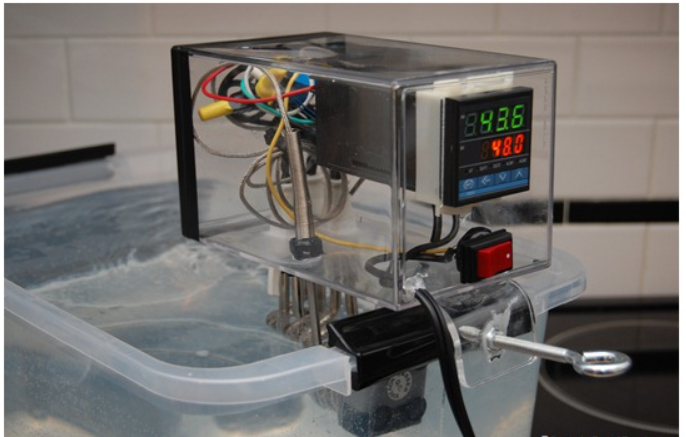
1. Water Immersion Test (IP67/IP68 Verification)
• Procedure- Immerse the wire harness in 1 meter deep clean water for 30 minutes (IP67) or 24 hours (IP68).
• Judgment- Immediately after removal, test the insulation resistance ≥100MΩ (using a 500V megohmmeter), and there should be no moisture residue after disassembling the connector.
Case Study- Suzhou Kaibaile New Energy wire harness passed the 24-hour test at 1.5 meters water depth, and the insulation resistance met the standard.
2. High-Pressure Water Spray Test (IP6K9K Verification)
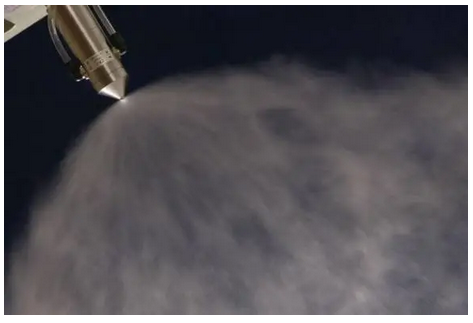
• Procedure- Use an 80℃ high-temperature water gun (80-100 bar water pressure) to spray the connector from a distance of 30cm for 30 seconds.
• Judgment- After standing for 1 hour, test the circuit continuity; there should be no short circuits or signal interruptions.
Applicable Scenarios- Wire harnesses for car chassis, outdoor charging piles, and other applications requiring protection against heavy rain.
3. Insulation Performance Testing
• Insulation Resistance≥0.5MΩ under 2500V voltage (megohmmeter test)
• Withstand Voltage Test- Apply 1.5 times the rated voltage (e.g., 18V for a 12V wire harness) for 1 minute without breakdown.